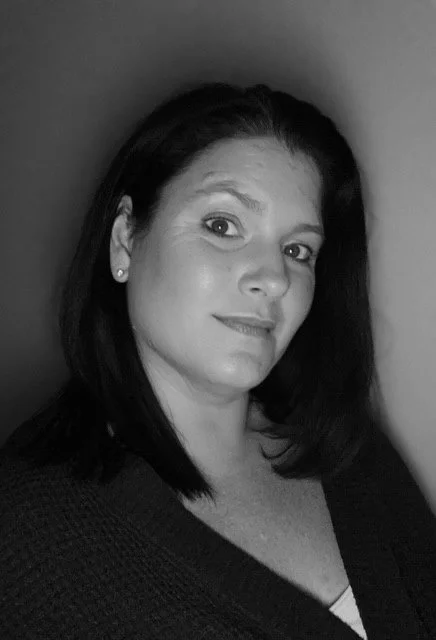
“No child is too anything to learn how to read and write” by Kourtney Barnum, Rett University
It is impossible to build an effective educational environment without building robust communication skills. Unfortunately, for students with Rett syndrome and others with complex needs, an effective and relevant education system is often not a high priority. Because those with complex needs have such impacts on their bodies, potential is not always presumed. This is further complicated by limited attention and expertise in building communication and literacy skills with this population. We, at Rett University, see the significant impact of this loss in our everyday work. With access to accessible communication devices, trained SLPs with AAC experience, and a trained communication partner throughout the school day, children can thrive, learn to read, write, and communicate more fully.
There are many hats I have worn in my life. I am a teacher with a master’s degree in Autism and severe intellectual disabilities. I am a Rett University consultant working with those with Rett and their families/teams to support communication and literacy. My most important and most impactful role, is being Kristi’s sister. Kristi lived with Rett for 51 years, giving me lessons that I could not learn in school. One of the most impactful lessons was how much literacy and communication skills influence someone’s life. Kristi was born in the 60’s when options for those with disabilities were extremely limited. As her younger sister, I saw Kristi grow up in a group home setting because that was the standard in those days. I watched my sister go to a special school where I honestly cannot tell you what she did all day. She could not communicate verbally, had no hand use (unless she was grabbing M&M’s), and required assistance for every part of her day. To access her curriculum, if they had any, she needed communication and support but there were none. She did not have a way to communicate until I was able to trial an eye gaze device with her when she was 50 years old.
Fast forward to now: The clients we serve at Rett University are learning to read, write, and communicate due to access to eye gaze technology and appropriate educational curriculum. More importantly, there are more people who are willing to look past the physical barriers and see that those with Rett syndrome have so much potential inside of them. Yet we still confront pillars of education who have our students in special classes or special schools. The curriculum that is used is limited and lacking. We have educators who are not given opportunities to learn about more complex disorders like Rett, so they are underprepared to educate our kids. In school settings, those with Rett are often very well cared for by the people that work with them while language on their devices is lacking, and literacy instruction is not prioritized. While we understand the priority of keeping them safe, our question is this; what happens when we provide an environment that has robust communication, proper support to access instruction and fully trained staff? What possibilities could happen for those with the most complex needs?
One of the most powerful quotes I’ve ever encountered comes from David Yoder: “No child is too anything to learn how to read and write.” I have witnessed the truth of this statement throughout my life—first as Kristi’s little sister, and now in my work alongside individuals with Rett syndrome and other complex communication needs.
What continues to hold many of our student's back is not their disability, but the preconceived notions others hold about what is possible. Persistent myths and outdated beliefs influence how these learners are taught, often limiting their opportunities before instruction even begins. These assumptions shape how we prepare future educators, how programs and policies are created, how curriculum is selected, and how students are included in their educational environments. When the bar is set low, the outcomes inevitably follow.
However, when we intentionally set aside these limiting beliefs—and remove the word “cannot” from our vocabulary—we open the door to a world of possibility. With appropriate communication systems, supportive environments, and well-trained staff, students with complex needs can grow into literate, expressive communicators who meaningfully participate in their learning and their lives.
Communication and literacy are not luxuries reserved for some; they are fundamental parts of the human experience. Our responsibility is to ask ourselves an essential question: Are we contributing to that experience, or are we unintentionally restricting access to it? The answer should guide every decision we make as educators, supporters, and advocates for our most complex learners.